
The White Rose

The importance of taking a stand against tyranny for upholding liberty, justice and the humanity of human rights and most important, at any cost, Democracy.
The White Rose Resistance Group
Founded in 1942 by German students, including Hans and Sophie Scholl, who distributed anti-Nazi leaflets.
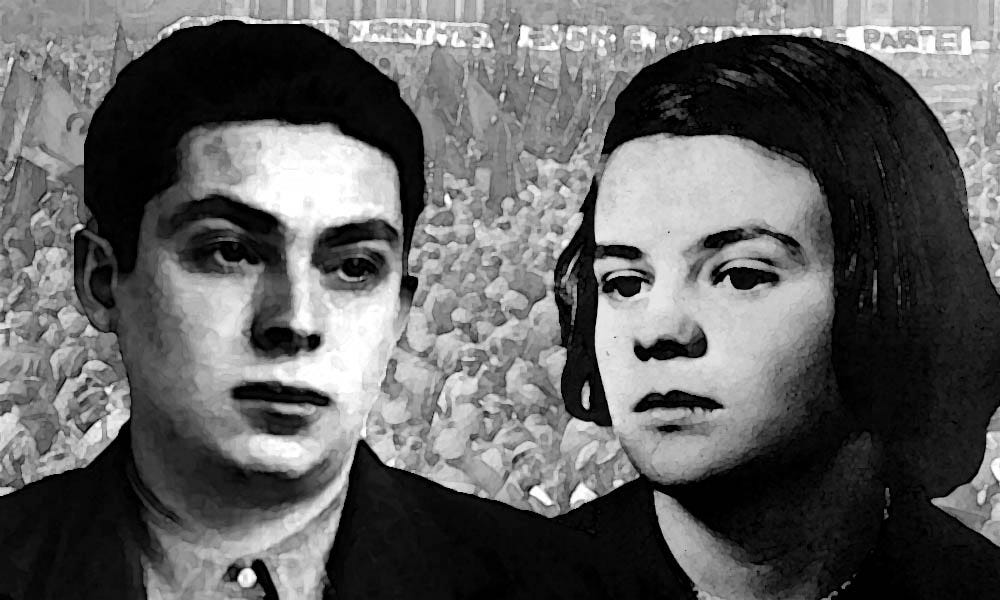
Hans and Sophie Scholl were German siblings executed by the Nazis in 1943 for their leadership roles in the White Rose, a nonviolent resistance group that distributed anti-Nazi leaflets, becoming symbols of German resistance against Hitler's regime. Arrested at the University of Munich after dropping leaflets, they, along with fellow member Christoph Probst, were quickly tried and beheaded by guillotine for treason, though their actions inspired others to resist oppression
Who They Were:
Hans Scholl (1918-1943): A medical student, he was a founding member of the White Rose.
Sophie Scholl (1921-1943): A biology and philosophy student, she joined her brother's efforts and became a vital member, despite initial safety concerns.
Background: Originally involved in Hitler Youth, they became disillusioned by Nazi atrocities, leading them to embrace Christian humanism and active opposition.
The White Rose Movement:
Activities: The group produced and distributed leaflets denouncing Nazi crimes, particularly the Holocaust, and calling for resistance.
Slogans: Their leaflets proclaimed, "We will not be silent. We are your bad conscience".
Final Act: On February 18, 1943, they dropped leaflets from a university balcony, a bold public act, and were denounced to the Gestapo.
Arrest, Trial, and Execution:
Arrest: They, along with Christoph Probst, were arrested on February 18, 1943
Trial: After intense interrogation, they faced a swift, sham trial before the infamous Nazi judge Roland Freisler.
Execution: They were beheaded by guillotine on February 22, 1943, in Munich, with Sophie reportedly saying, "What does my death matter if through us thousands of people are awakened and stirred to action?" and her final words being "The sun still shines".
Legacy:
Hans and Sophie Scholl are celebrated as enduring symbols of moral courage and resistance against totalitarianism in Germany and worldwide
Hans and Sophie Scholl were German siblings executed by the Nazis in 1943 for their leadership roles in the White Rose, a nonviolent resistance group that distributed anti-Nazi leaflets, becoming symbols of German resistance against Hitler's regime. Arrested at the University of Munich after dropping leaflets, they, along with fellow member Christoph Probst, were quickly tried and beheaded by guillotine for treason, though their actions inspired others to resist oppression.
A white rose Historically, was the "White Rose" was a German anti-Nazi resistance group during WWII, known for leaflets opposing Hitler, making it a symbol of resistance and courage.
And then there is Helmuth Hübener,
The film Truth & Treason (2025) is based on the true story of Helmuth Hübener, a 16-year-old member of the Latter-day Saints (LDS) Church who resisted the Nazi regime in Hamburg, Germany, by printing and distributing anti-Nazi pamphlets, leading to his arrest and execution for treason, making him the youngest person executed for treason by the Nazis.
Key Facts About the True Story:
The Hero:
Helmuth Hübener used his skills with a typewriter to fight the Nazi lies by creating and spreading leaflets.
His Motivation:
He listened to banned shortwave radio broadcasts, learned the truth about the war, and felt compelled to act, motivated by faith and a sense of right vs. wrong.
His Resistance:
He enlisted friends from his church congregation to help him.
His Fate:
He was betrayed, arrested, tried, and executed by beheading in 1942, becoming the youngest person sentenced to death for treason by the Nazis.
The Film:
The movie dramatizes these events, highlighting themes of moral courage, conscience, and the dangers of silence in the face of hate, with director Matt Whitaker spending years researching the story and connecting with Hübener's surviving friends.
Hans and Sophie Scholl

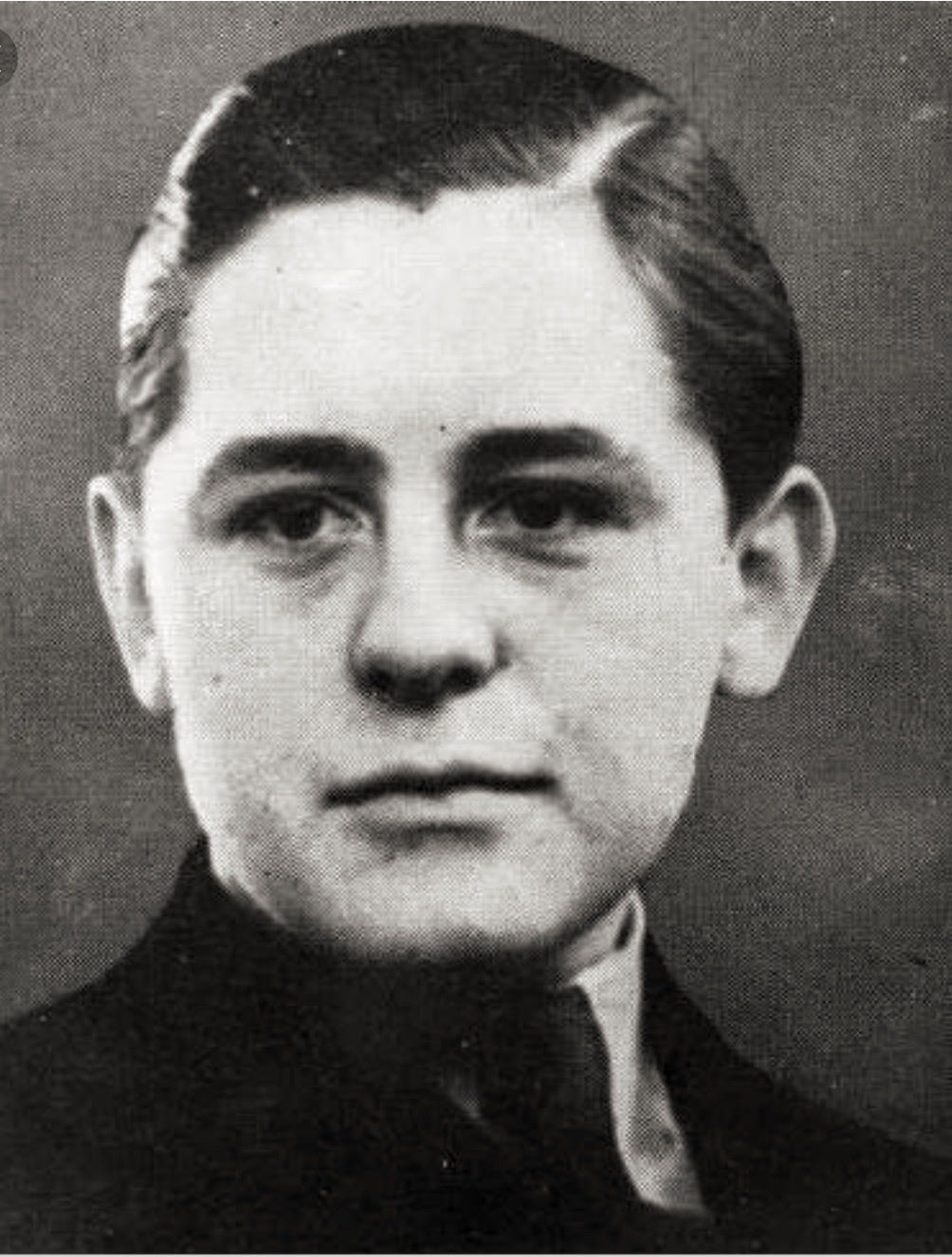
Helmuth Günther Guddat Hübener
Very much appreciated and thank you.
Thanks, much appreciated.